
A persistent computer for scientific work.
Every Vicena account includes a persistent cloud computer. Ask for modeling, simulations, calculations, plots, fitting, or computational chemistry, and the agent builds the notebook with visible code and outputs in the Lab Notebook. Your uploads, notebooks, and results are files on the same computer. Selected advanced molecular modeling workflows are powered by Rowan.
Lab Notebook
Python + SciPy
Your files
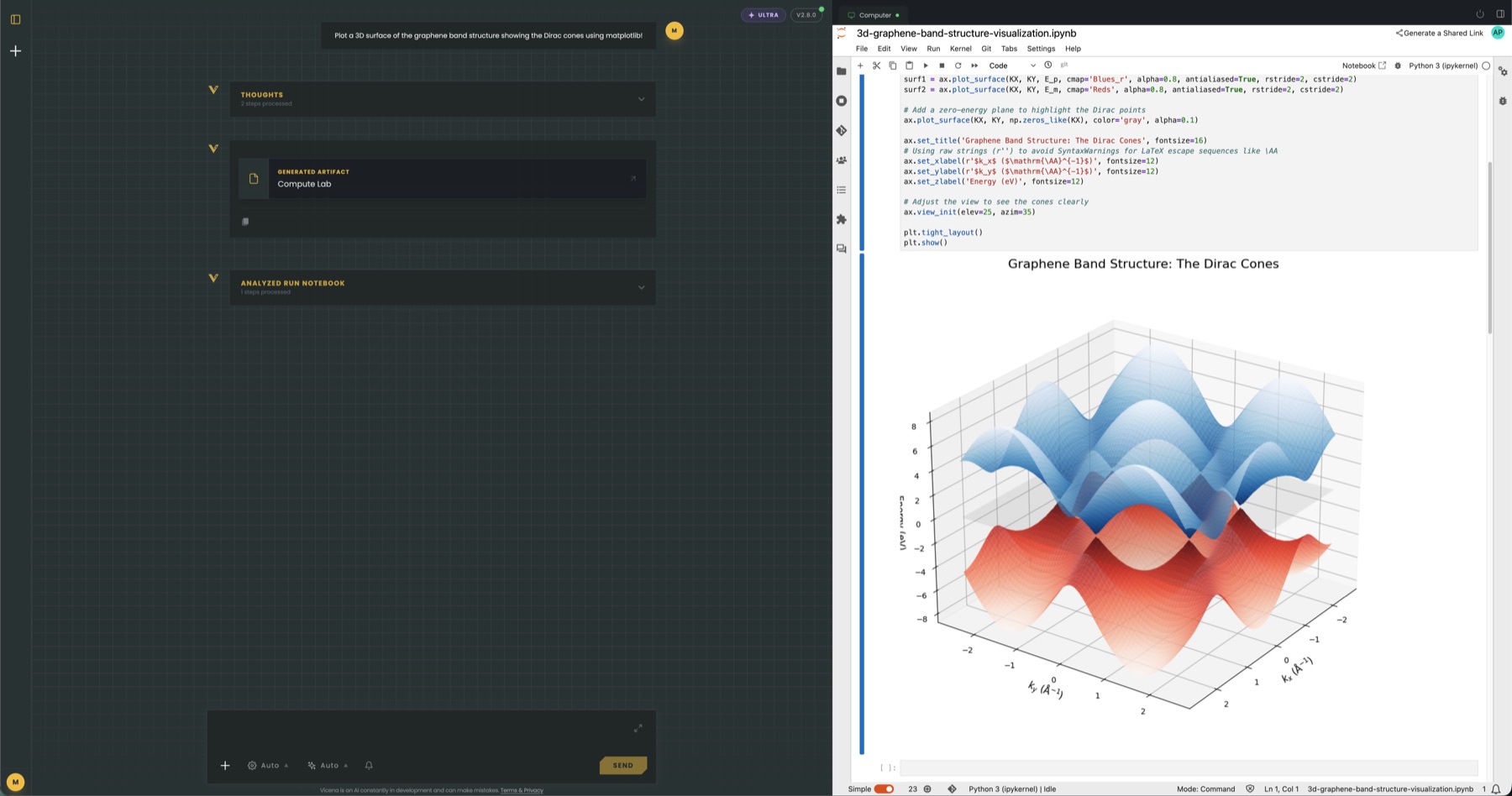
Lab Notebook
Vicena creates notebooks, writes cells, runs them, reads output, and fixes errors in JupyterLab, which you can open beside the chat to inspect every step.
Scientific Python stack
Use Python, NumPy, SciPy, pandas, matplotlib, RDKit, PySCF, ASE, Rowan SDK workflows, and installable packages inside the same persistent environment.
Rowan-powered modeling
Run selected advanced molecular modeling workflows on Rowan from a notebook, keeping inputs, workflow IDs, result tables, plots, and files on the computer.
Persistent files
Notebooks, uploads, figures, datasets, and installed packages stay on your computer, so later chats can continue from prior work.
Files
Every file lives on your computer.
Uploads, notebooks, protocol drafts, datasets, and figures are ordinary files with normal paths. Conversations refer to them but do not own them, so a later chat can read the same file and continue from it.
Browse
Open Files from the side panel to browse folders on the computer.
Preview
Read Markdown, PDF, images, tables, code, notebooks, and molecular structures in a tab beside the chat.
Upload
Attach papers, data, and images to a message; they are saved on the computer.
Reuse
Refer to a file by its path in any chat; the agent reads the same file instead of a copy.
Simulation applications
One computer, specialized scientific workflows.
Choose a scientific field to see a real workflow story, executed visual results, the packages behind the work, and the boundary between an exploratory simulation and a validated conclusion.
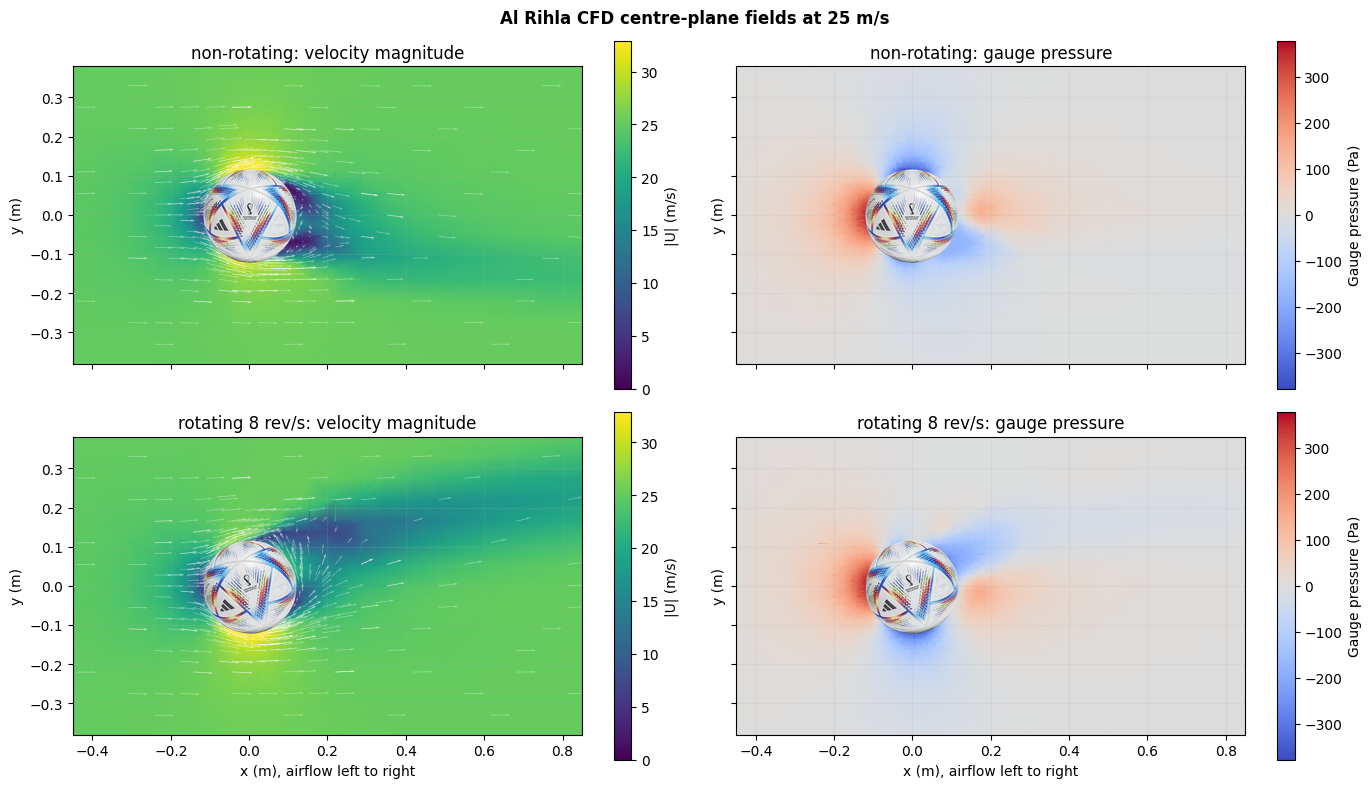
CFD & Aerodynamics
Geometry repair, body-fitted meshing, steady and transient flow, and aerodynamic verification.
Open application page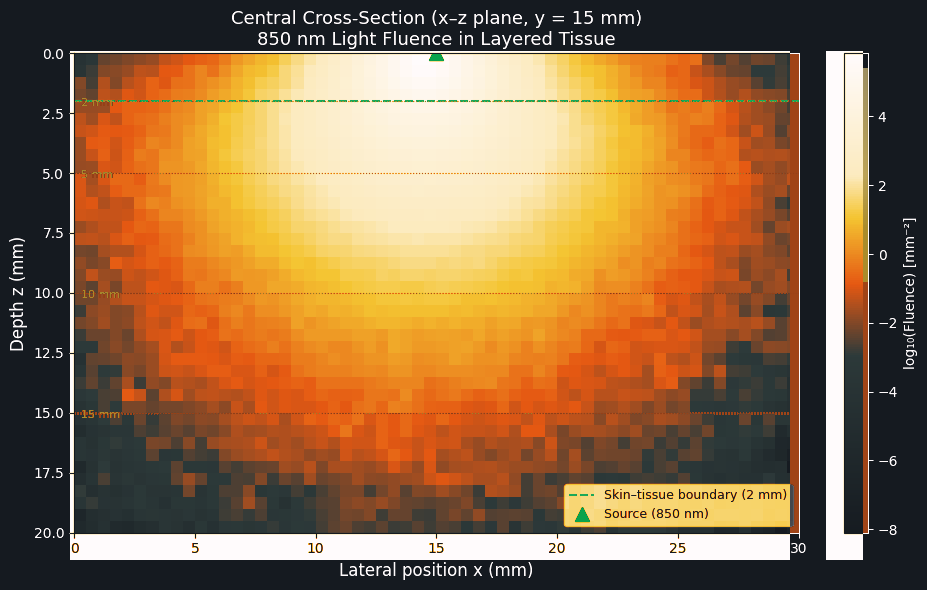
Optical Simulation
Photon transport, electromagnetic fields, photonic modes, rendering, optimization, and sensitivity analysis.
Open application page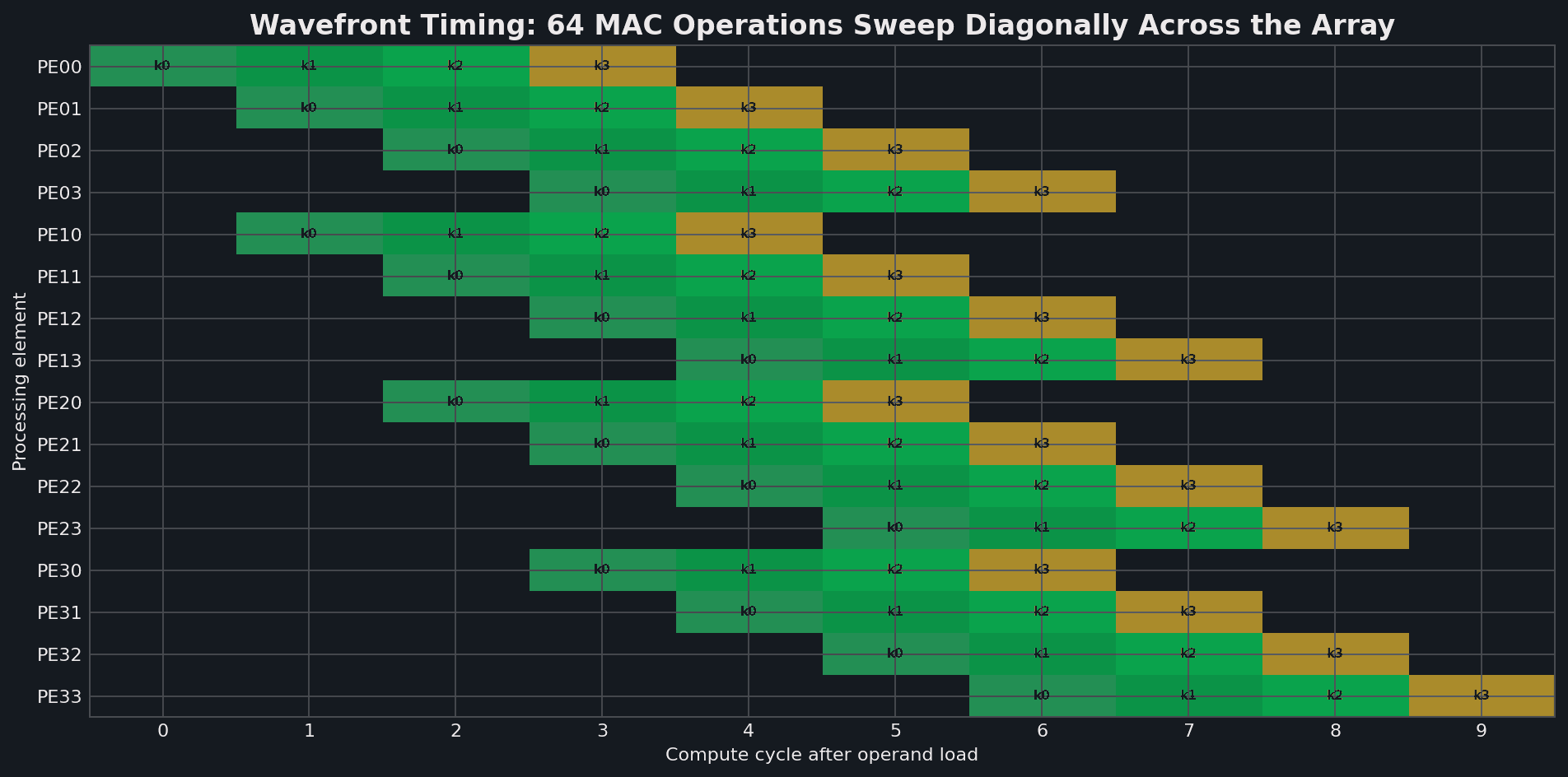
Semiconductor R&D and Design
RTL simulation, lint, synthesis, public-PDK physical design, layout inspection, and device physics.
Open application page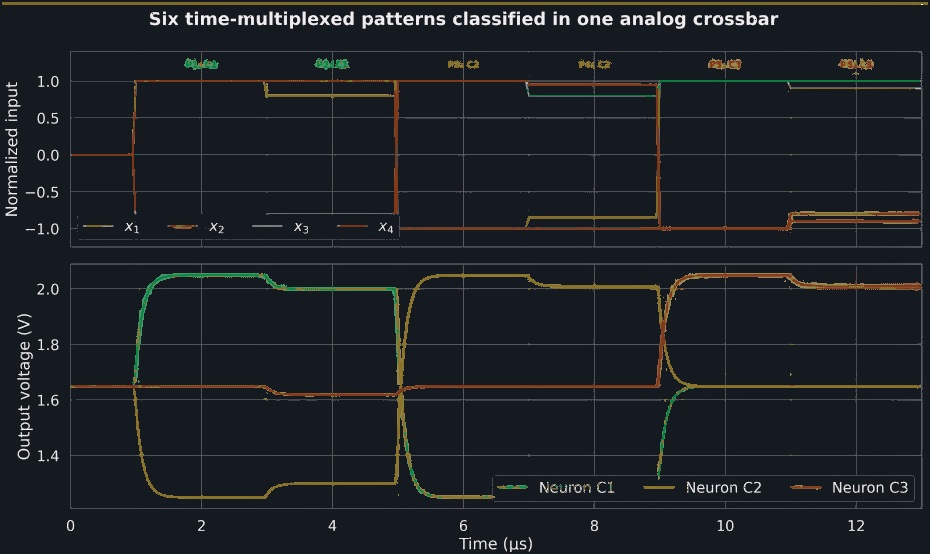
Circuit Design
Operating-point, DC, AC, transient, noise, measurement, and device-to-circuit analysis.
Open application page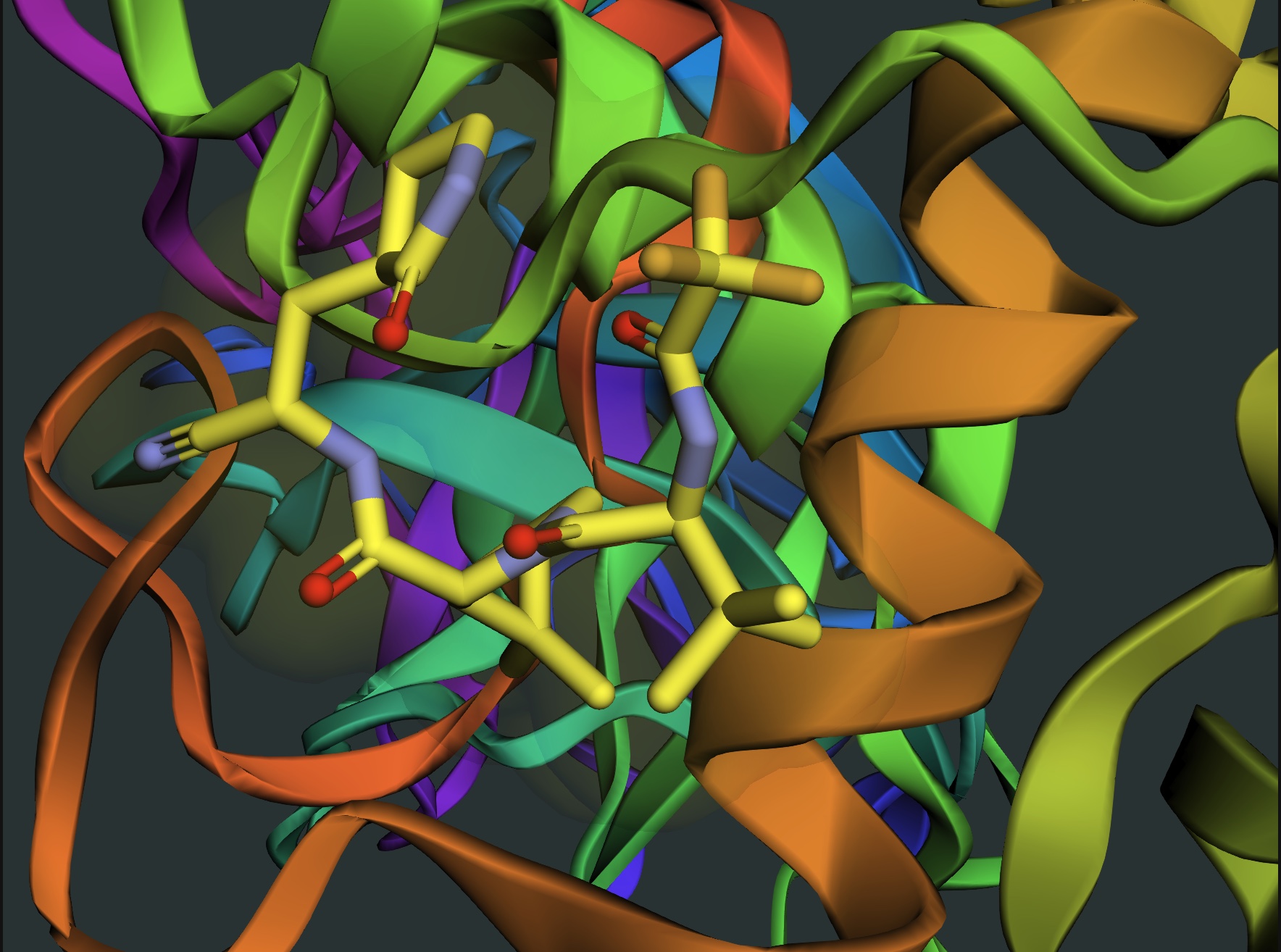
Computational Chemistry & Molecular Dynamics
Quantum chemistry, molecular simulation, protein cofolding, docking, free-energy, and geometry workflows.
Open application page
What it is for
A computer for doing science, not just talking about it.
Use it for work that needs execution: notebooks, code, calculations, simulation, modeling, plots, and reproducible analysis. The agent can reason in chat, then move into Jupyter when the work needs code.
Model a system
Create a notebook for ODEs, reaction kinetics, transport, growth curves, population dynamics, or parameterized scientific models.
Run calculations
Do dimensional analysis, numerical integration, uncertainty propagation, fitting, optimization, statistics, and sanity checks with visible code.
Simulate and compare
Sweep parameters, generate plots, compare scenarios, inspect residuals, and iterate until the result matches the scientific question.
Model molecules
Submit bounded molecular modeling jobs, poll status, retrieve results, and turn Rowan outputs into plots, tables, and CSV files.
Molecular modeling
Rowan-powered chemistry workflows, inside Vicena notebooks.
Submit advanced chemistry jobs to Rowan from a notebook: descriptors, pKa, conformers, tautomers, docking, molecular dynamics, orbitals, and related modeling workflows. The agent keeps the notebook visible, saves outputs on the computer, and respects computation-credit limits before submission.
Explore computational chemistry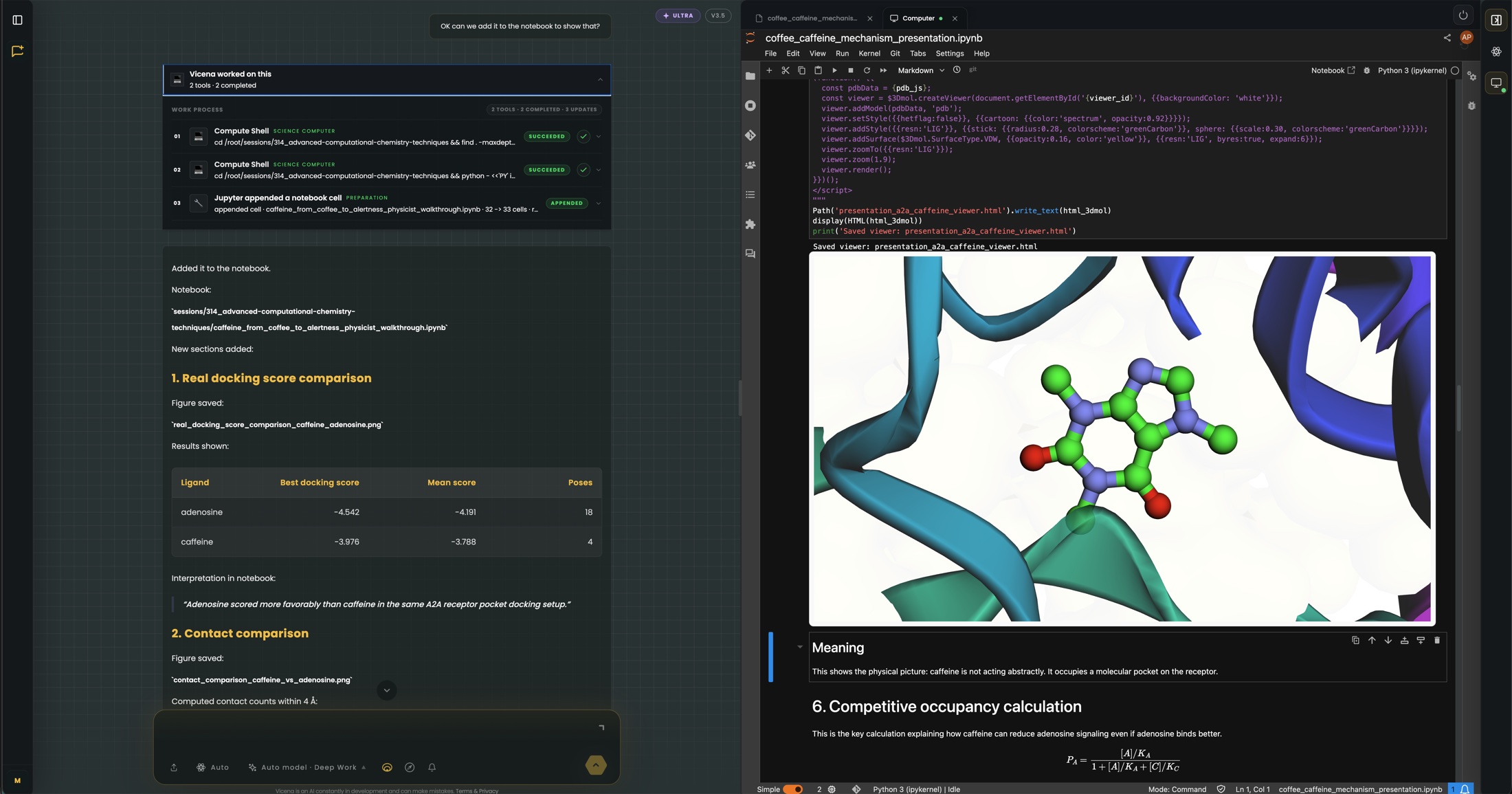
Rowan workflows
Workflow IDs saved
Plots and CSV files
Notebook evidence
The notebook stays visible while the science runs.
Notebook cells, plots, figures, and generated artifacts stay in the foreground so the work can be inspected, extended, and challenged instead of disappearing into a chat summary.
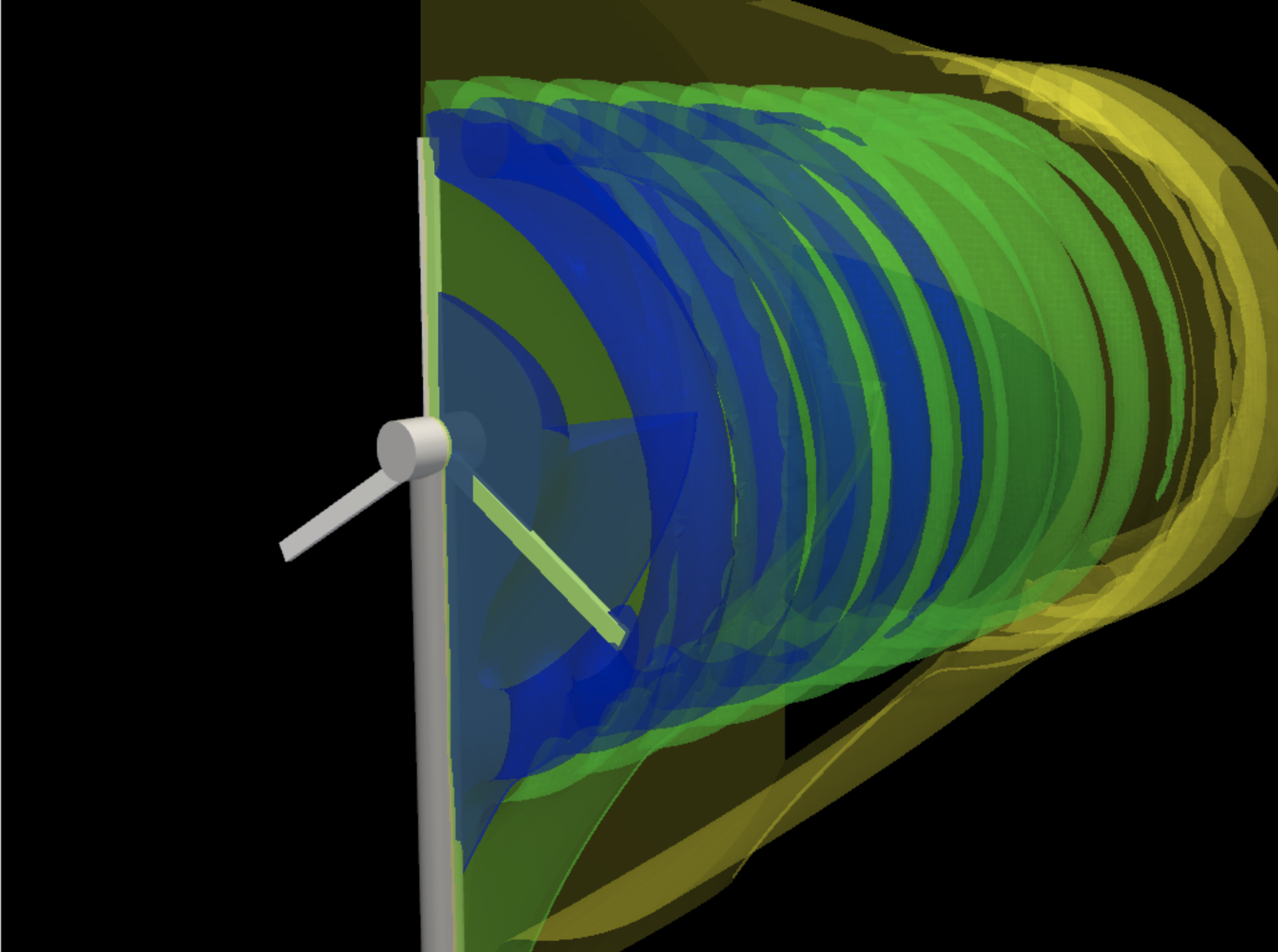
CFD wake visualization
Flow simulations and vortex/wake fields can be generated as notebook artifacts, then inspected with the model code beside them.
Explore CFD & Aerodynamics →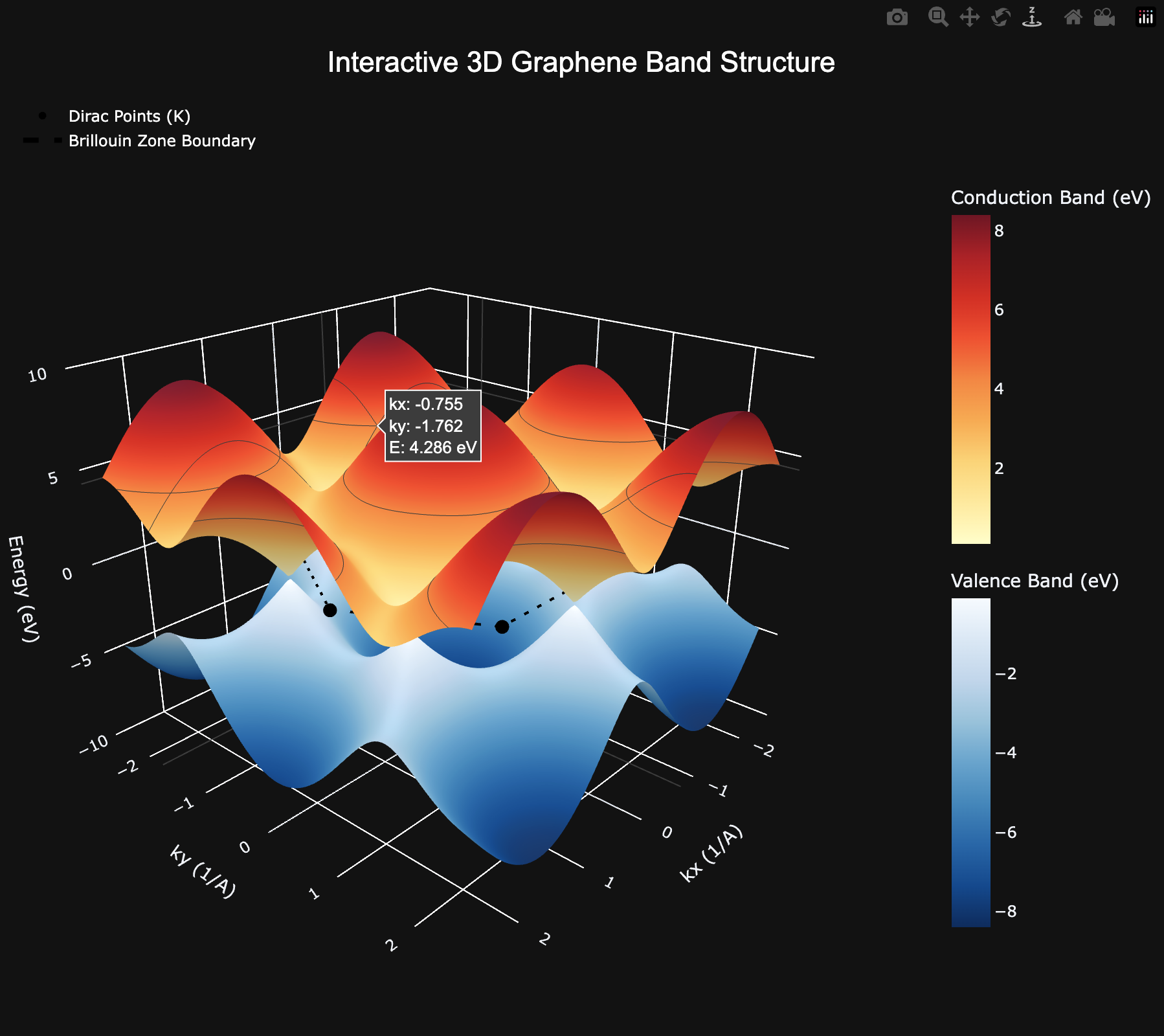
Graphene band structure
Interactive 3D electronic-structure plots can be generated from notebook code and inspected alongside the assumptions.
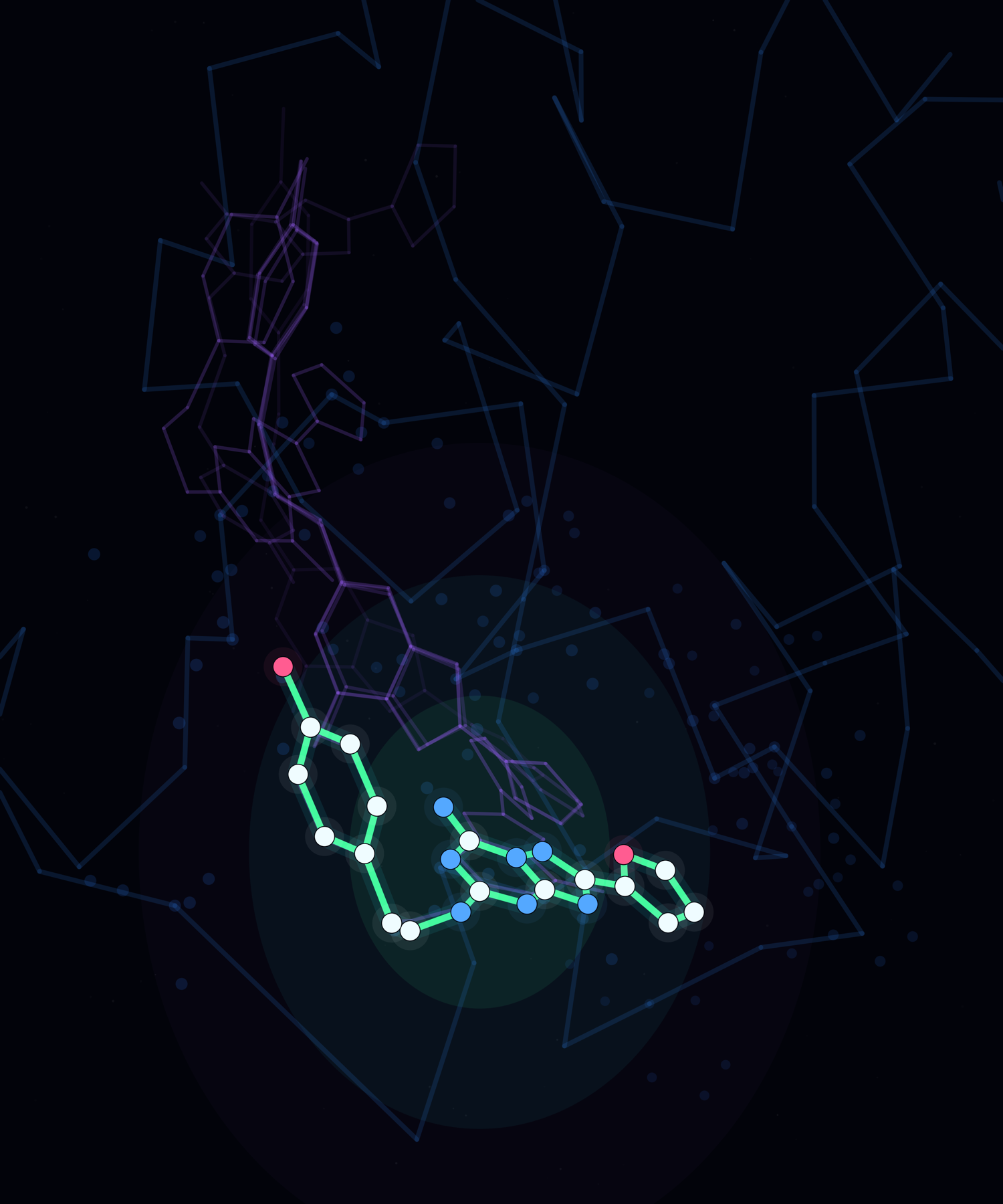
Docking pose ensemble
Rowan-powered molecular modeling outputs stay with the notebook as inspectable pose ensembles, figures, tables, and files.
Agent workflow
From question to executed notebook.
The important part is not that Vicena can write code. It can keep the code, the result, the error trace, the figure, and the scientific explanation in one reviewable notebook.
Plan
Define the scientific question, assumptions, inputs, and expected outputs.
Write
Create notebook cells with code, formulas, markdown notes, and plotting logic.
Run
Execute cells, inspect errors and outputs, then update the notebook in place.
Review
Summarize results, limitations, next experiments, and artifacts to preserve.
Example requests
Start with a scientific job, not a blank notebook.
Each request opens Vicena with a concrete notebook task. The agent should create the notebook, execute cells, and report what it learned from the outputs.